Quick answer: Pain isn’t required for shock wave therapy to work. The goal is controlled stimulation within a therapeutic energy window, not discomfort. With proper dosing, patients have mild or no soreness afterward, and meaningful improvement is usually visible after 2 to 4 sessions spaced about four days to a week apart.
Key takeaways
- The idea that a shock wave has to hurt comes from older high-energy protocols that needed sedation and post-treatment pain medication.
- Treatment effect depends on staying within a therapeutic window: above the minimum effective energy and below the level that damages tissue.
- Shock wave therapy has a short-term local analgesic effect, so patients need activity restrictions after treatment.
- Most patients show meaningful improvement within a short course of sessions, and chronic conditions may benefit from periodic rescue treatments.
Where does the idea that a shock wave has to hurt come from?
From earlier-generation treatment. The 2013 Clinician’s Brief review of shock wave therapy described treatment as acutely painful and recommended analgesics such as tramadol and deracoxib afterward. dvm360 proceedings on shock wave therapy for osteoarthritis noted that some dogs were sore for several days after treatment and advised having analgesics ready for clients. When discomfort was routine, it was easy to assume it was part of how the therapy worked.
In the video above, Dr. Tom Walsh sets that idea aside. The goal is controlled stimulation, not discomfort.
How does shock wave dosing work?
dvm360 proceedings on shock wave therapy explain that the treatment dose is energy flux density (EFD, in mJ/mm²) multiplied by the number of pulses. There is a minimum effective EFD and a higher level at which tissue damage begins. Effective treatment sits between the two. Pushing energy until the patient reacts isn’t the goal and doesn’t improve results.
Protocols follow that logic. The CS-Pro VET canine protocol sets energy levels and shock counts by anatomic site. It instructs clinicians to reduce the EFD if a patient exhibits discomfort. The 2025 Veterinary Practice News overview of ESWT notes that many dosing recommendations still lack rigorous research support. That makes it more important to follow an established protocol and adjust to each patient’s response.
What should patients feel after treatment?
With proper dosing, Dr. Walsh reports mild or no soreness afterward. Shock wave therapy also has a short-term analgesic effect. Veterinary Practice News reported pain relief lasting up to 4 days after treatment, and the dvm360 proceedings describe about 48 hours of local analgesia.
That analgesia is helpful, but it’s also a reason for caution. A patient who feels better right away may overdo it, so give owners clear guidance on controlled activity after each session. This matters especially for athletic dogs and horses returning to work.
How many sessions are needed, and how far apart?
In Dr. Walsh’s experience, meaningful improvement is usually visible after 2 to 4 sessions, spaced 4 days to a week apart. Published protocols vary by device and condition. The CS-Pro VET canine protocol calls for 3 to 4 treatments, and older protocols on higher-energy systems often require 2 to 3 sessions spaced 2 to 3 weeks apart. For chronic conditions like osteoarthritis, a dvm360 review of the shock wave evidence supports periodic rescue treatments every 3 to 6 months.
When should shock wave therapy be avoided?
Comfortable dosing doesn’t mean every area is safe to treat. The dvm360 osteoarthritis proceedings and the Veterinary Practice News overview list contraindications and areas to avoid:
- Tumors or suspected neoplasia at the treatment site
- Open growth plates and weakened bone
- Active infection, sepsis, or coagulopathy
- Pregnancy (avoid the pregnant uterus)
- Lungs, heart, intestines, major nerves and vessels, the head, eyes, and spinal cord
How should you explain this to clients?
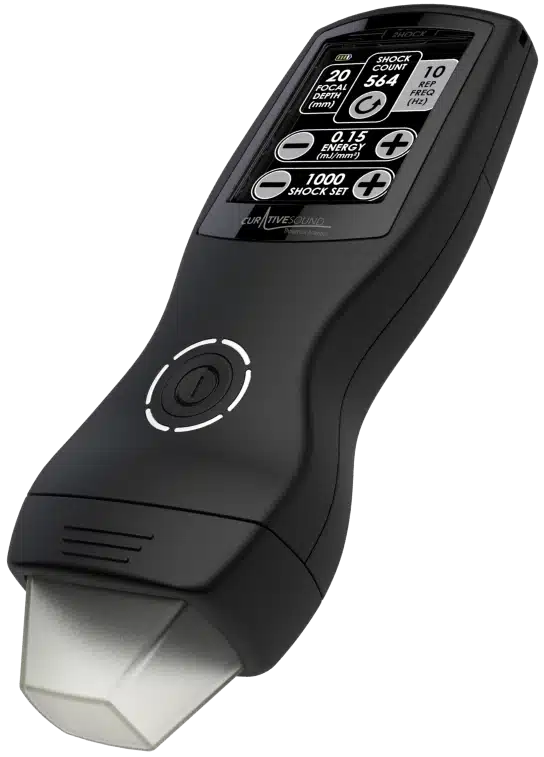
Owners who have heard that the shock wave hurts may hesitate. Keep the message simple: treatment with the CS-Pro VET is designed to be comfortable, the patient usually stays awake, and most pets show improvement within a few visits. Setting clear expectations for the full course helps with compliance.
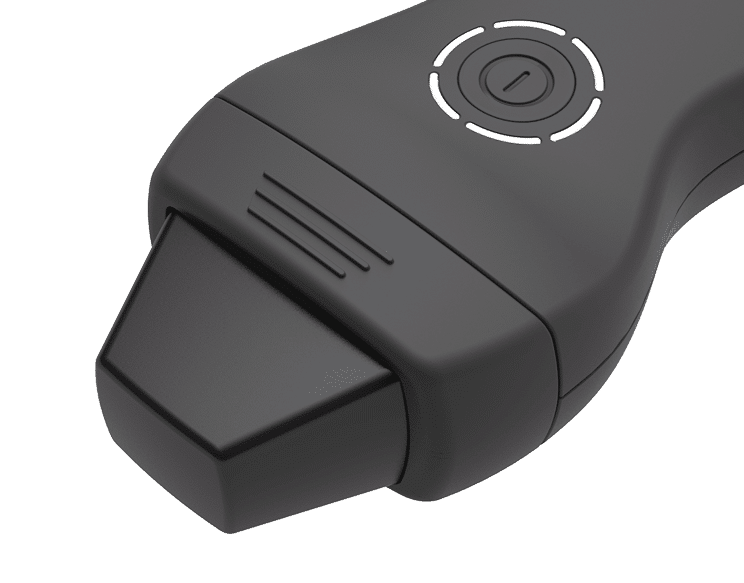
See the CS-Pro VET in your practice. Handheld, battery-powered focused shock wave therapy for small animal and equine patients.