Quick answer: A therapy laser doesn’t replace shock wave therapy, and vice versa, because the two work through different mechanisms. Laser therapy is photobiomodulation: light energy absorbed by cells. Focused shock wave therapy uses mechanical acoustic energy to stimulate angiogenesis, tissue remodeling, and cellular signaling. Many practices use both together in a multimodal plan.
Key takeaways
- Laser therapy (photobiomodulation) acts on mitochondria: absorbed light raises ATP production and releases nitric oxide.
- Focused shock wave therapy is mechanical. It stimulates growth factors, new blood vessel formation, and tissue remodeling.
- Current pain management guidance favors proactive, multimodal plans that include nonpharmacologic therapies.
- Shock wave plans of care are typically a few sessions in duration, while laser protocols commonly involve more frequent sessions over several weeks.
Why doesn’t a laser replace shock wave therapy?
In the video above, Dr. Tom Walsh answers this directly: laser and shock wave therapies work through completely different mechanisms. Both have a place in rehabilitation and pain management, but they aren’t interchangeable.
How does laser therapy work?
Laser therapy is photobiomodulation (PBM). A Today’s Veterinary Practice review of rehabilitation modalities explains that PBM stimulates cytochrome c oxidase in the mitochondria. That increases ATP production and releases nitric oxide, which causes vasodilation. Wavelength determines depth: around 600 nm reaches superficial tissue, while 800 to 900 nm penetrates about 3 to 5 cm. A dvm360 overview of photobiomodulation in veterinary rehab adds that PBM lowers inflammatory mediators such as PGE2 and COX-2.
How does focused shock wave therapy work?
Focused shock wave therapy delivers mechanical acoustic energy, not light. Dr. Walsh describes it as stimulating angiogenesis, tissue remodeling, and biologic signaling at the cellular level. The research supports that description:
- dvm360 proceedings on shock wave therapy report increases in TGF-β1, VEGF, and BMP-2 after treatment, along with new blood vessel formation and increased osteoprogenitor activity.
- dvm360 proceedings on shock wave therapy for osteoarthritis describe increased nitric oxide synthesis, release of angiogenic cytokines, osteoblast stimulation, and reduced TNF-α in osteoarthritic chondrocytes.
- Today’s Veterinary Practice attributes part of the effect to cavitation, which increases cell permeability and the release of cytokines and growth factors.
Laser vs. shock wave at a glance
| Therapy laser (PBM) | Focused shock wave (f-ESWT) | |
| Energy type | Light (photons) | Acoustic pressure waves |
| Primary target | Mitochondria (cytochrome c oxidase) | Tissue and cell mechanics; growth factor signaling |
| Key effects | More ATP, nitric oxide release, vasodilation, and less inflammation | Angiogenesis, tissue remodeling, growth factor release |
| Typical course | Daily to weekly sessions over several weeks | Usually 2 to 4 sessions |
Why use laser and shock wave together?
Current pain management guidance points toward combining therapies. AVMA News coverage of the 2022 AAHA pain management guidelines emphasizes proactive, multimodal pain management in dogs and cats, including nonpharmacologic options. The American Association of Feline Practitioners endorsed the guidelines.
In a multimodal plan, the two therapies can support each other. A dog with chronic elbow osteoarthritis might receive a short course of shock wave therapy targeting the joint, with laser sessions to support soft-tissue comfort, alongside weight management, exercise, and medication as appropriate.
How many sessions does each require?
Session count matters for client compliance. The Today’s Veterinary Practice review notes that laser studies have used sessions ranging from daily to weekly over 3 to 7 weeks. Dr. Walsh notes that shock wave therapy often achieves strong results in fewer sessions. The CS-Pro VET canine protocol calls for 3 to 4 treatments, and our guide to dosing and session spacing covers what to expect.
The Today’s Veterinary Practice review also rates shock wave therapy as having perhaps the strongest evidence among the rehabilitation modalities it covers, and it describes laser results as mixed so far. For a practice that already owns a laser, adding focused shock wave therapy adds a different mechanism. It doesn’t duplicate what you already have.
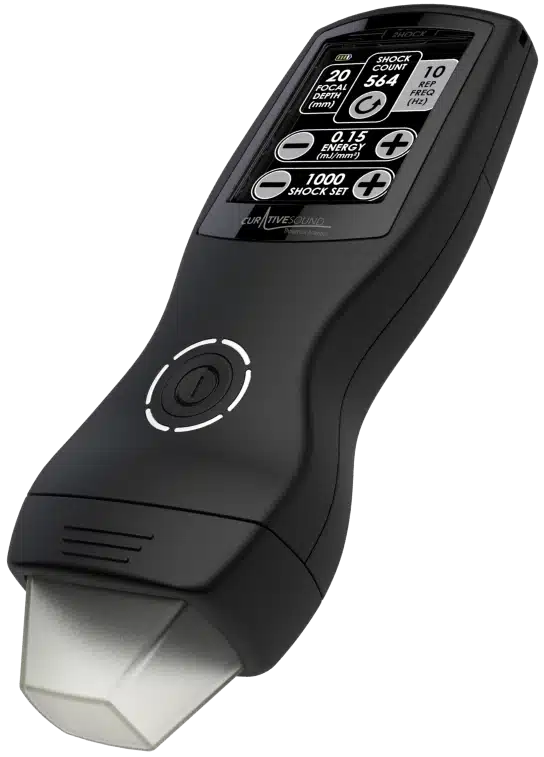
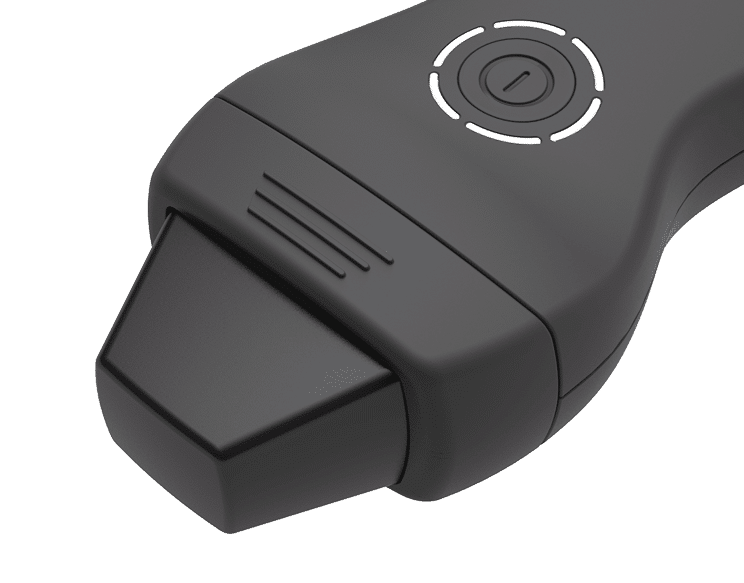
See the CS-Pro VET in your practice. Handheld, battery-powered focused shock wave therapy for small animal and equine patients.