Learning Center

Filter by Category
Filter by Category
Filter by Resource Type
Extracorporeal shock wave therapy (ESWT) for wound healing: technology, mechanisms, and clinical efficacy
Extracorporeal shock wave therapy in the treatment of complex wounds: An overview
Extracorporeal shock wave therapy with low-energy flux density inhibits hypertrophic scar formation in an animal model
Diabetic foot ulcer treatment with focused shockwave therapy: two multicentre, prospective, controlled, double-blinded, randomised phase III clinical trials
Extracorporeal Shock Wave Therapy as an Adjunct Wound Treatment: A Systematic Review of the Literature
CS-Pro VET Studies
Veterinary
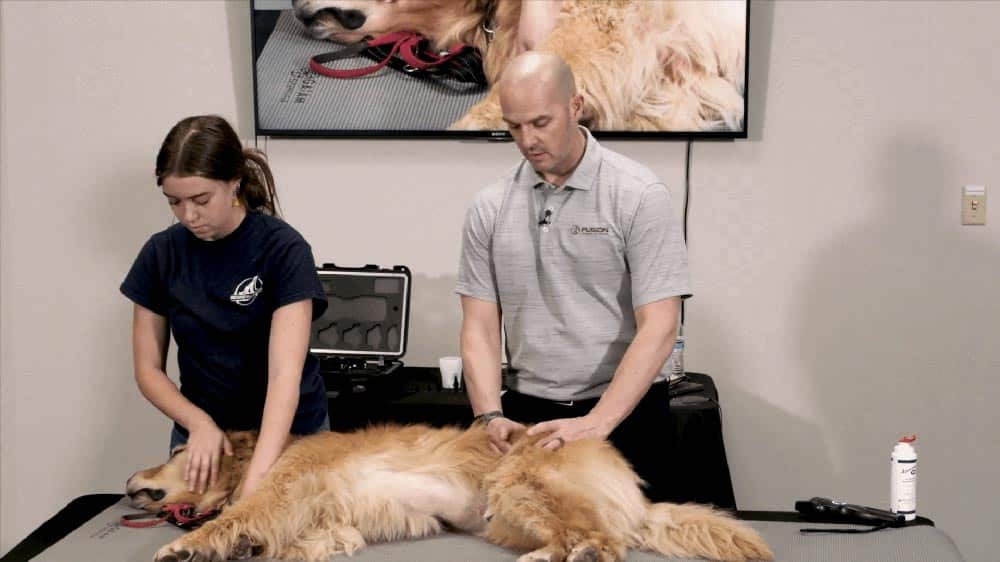
Video Tutorials
Veterinary
Featured Literature
Veterinary
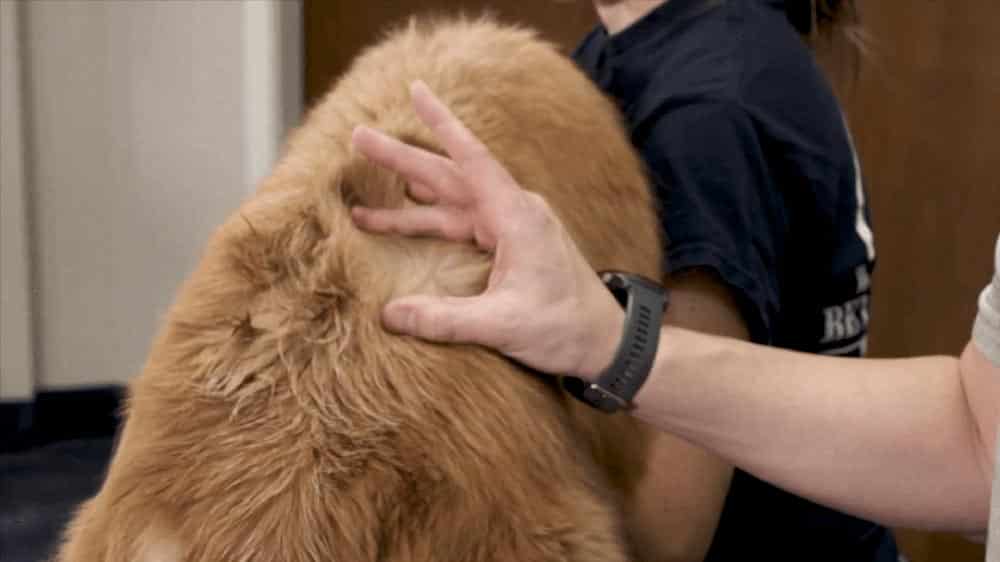
Shock wave therapy led to more advanced bone healing. The results of this study support the use of ESWT as a means of accelerating acute bone healing of canine osteotomies.
Weight bearing increased faster after tibial plateau leveling osteotomy surgery in dogs treated with two sessions of postoperative ESWT.
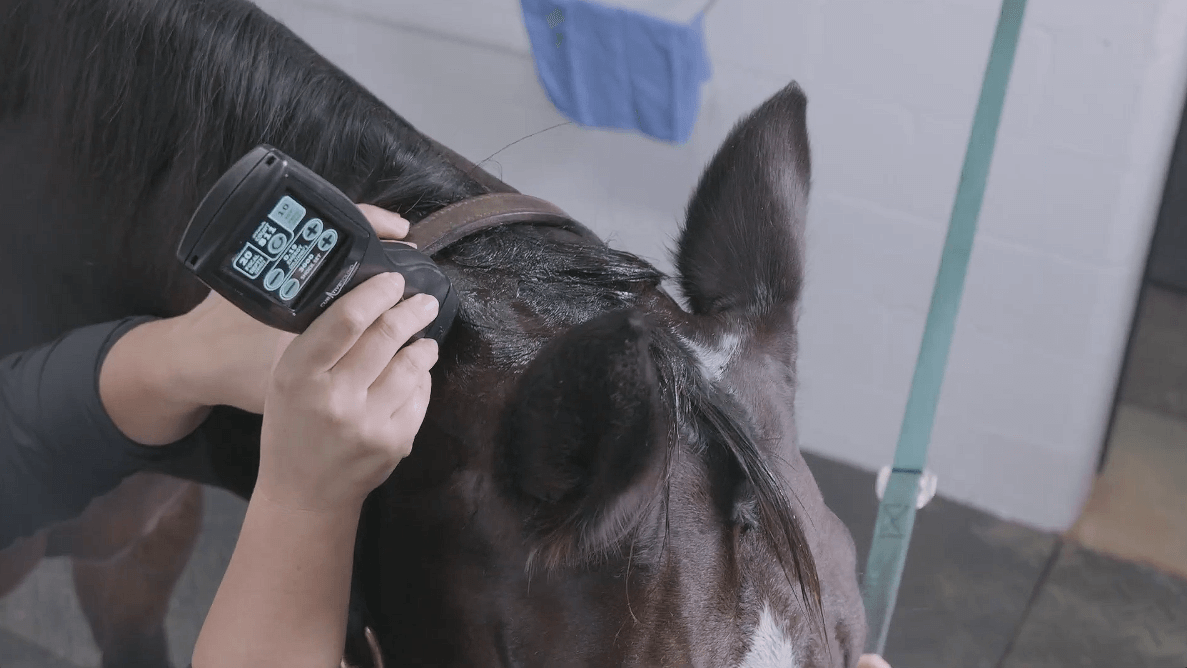
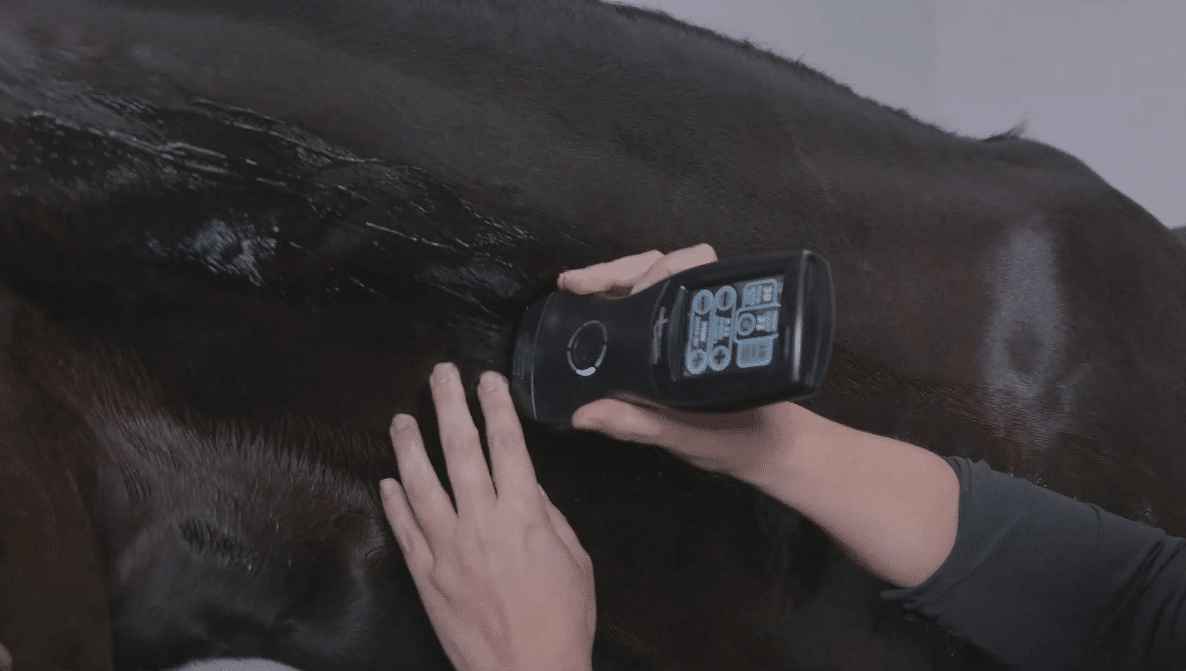
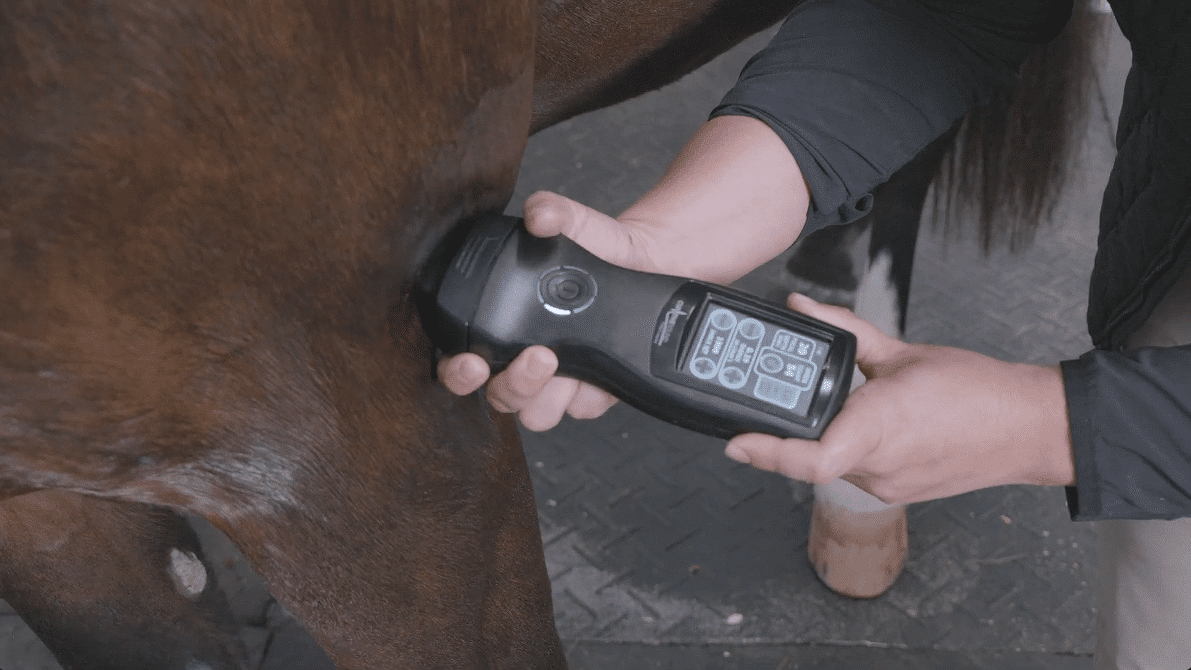
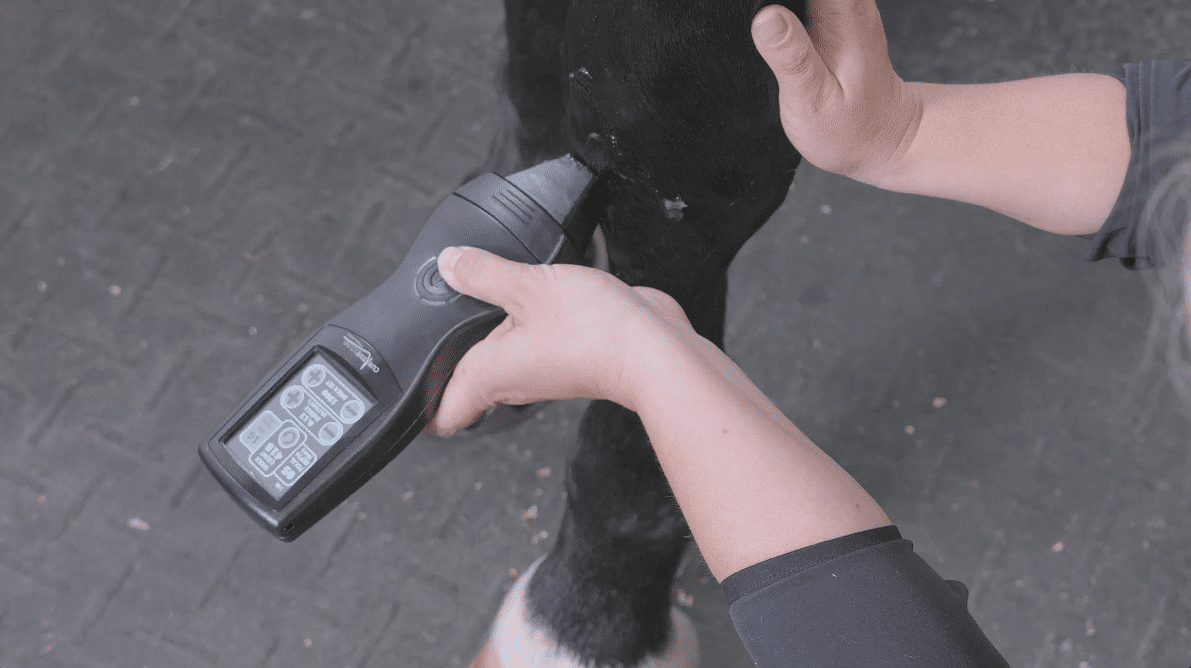
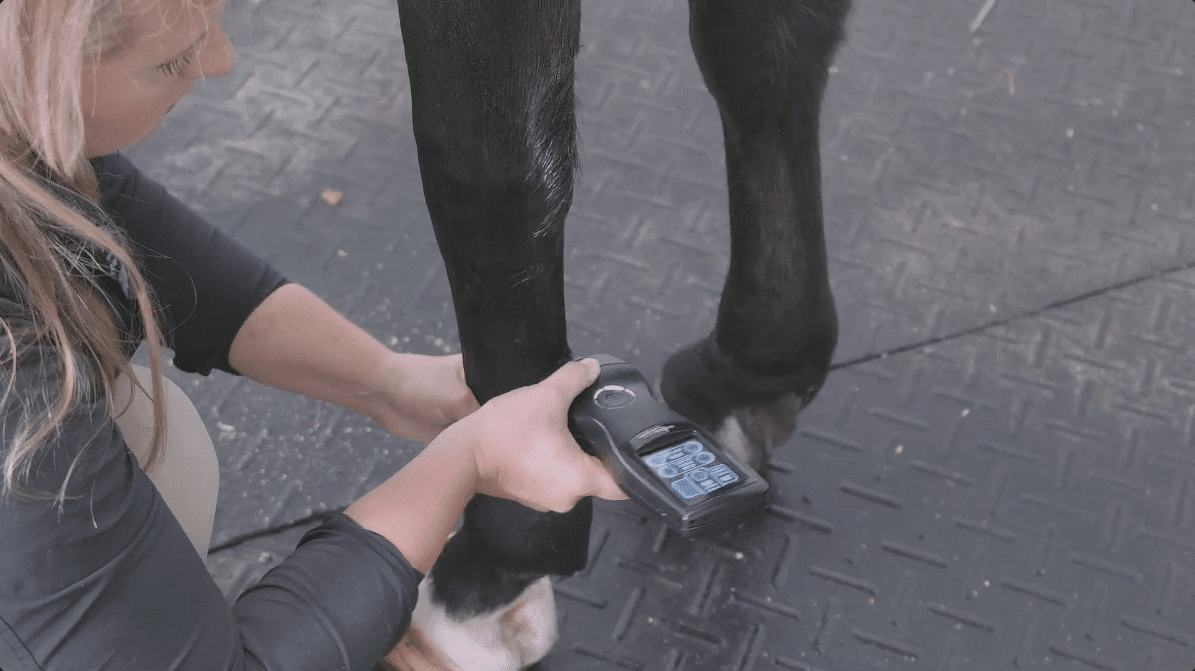
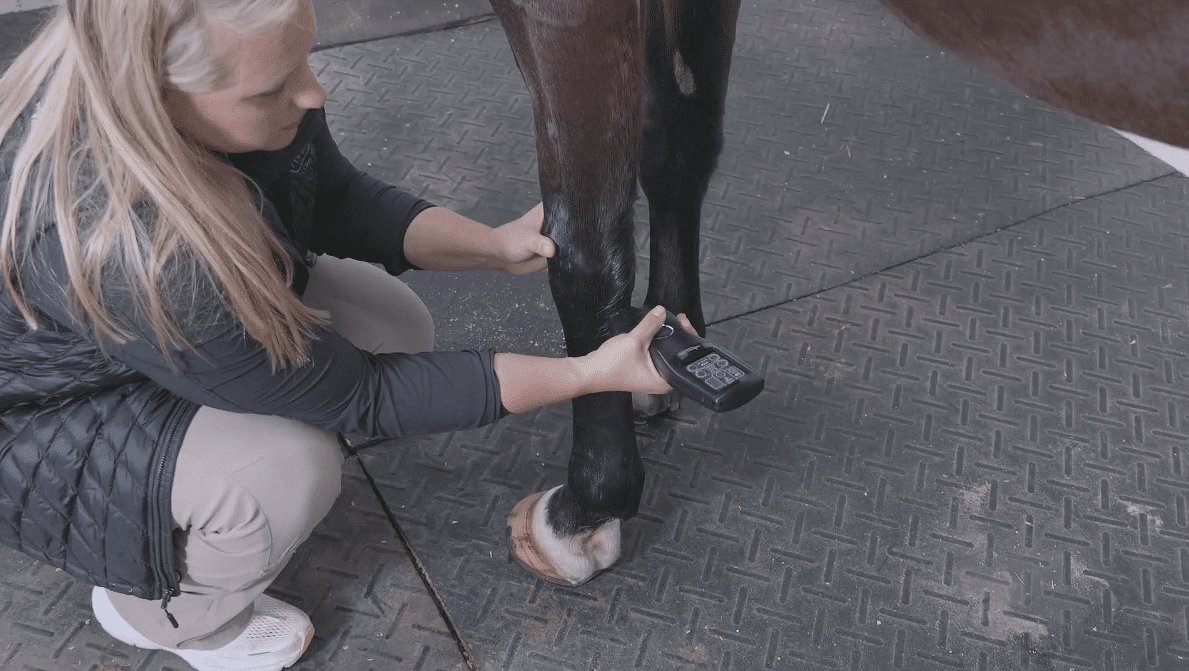
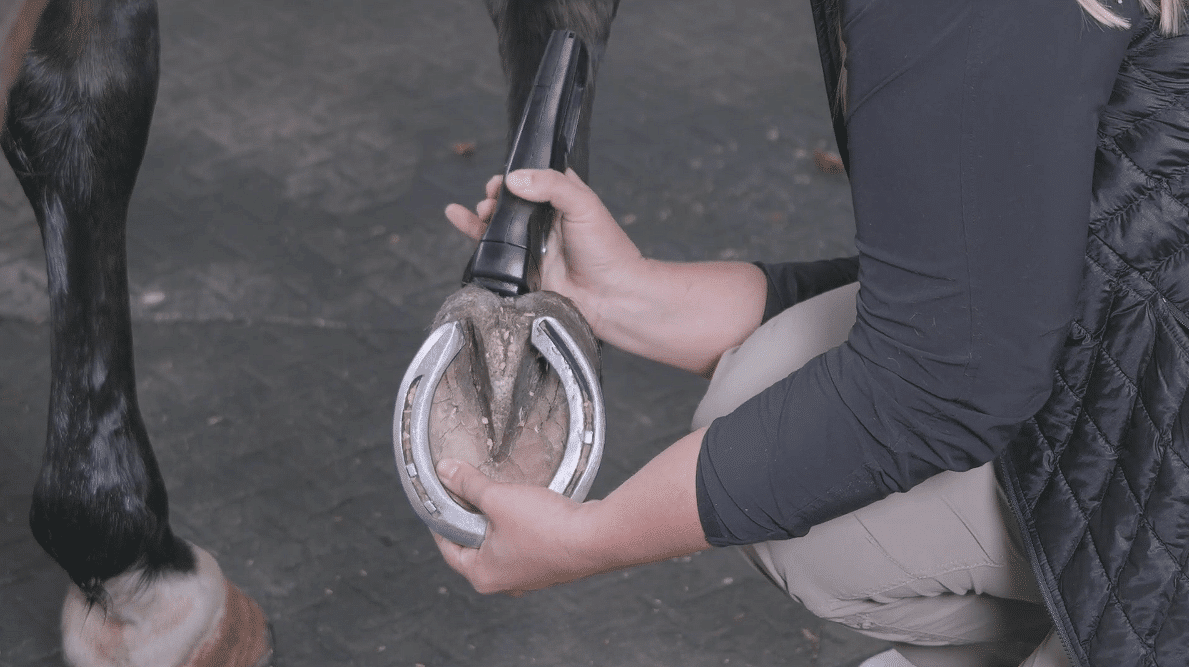
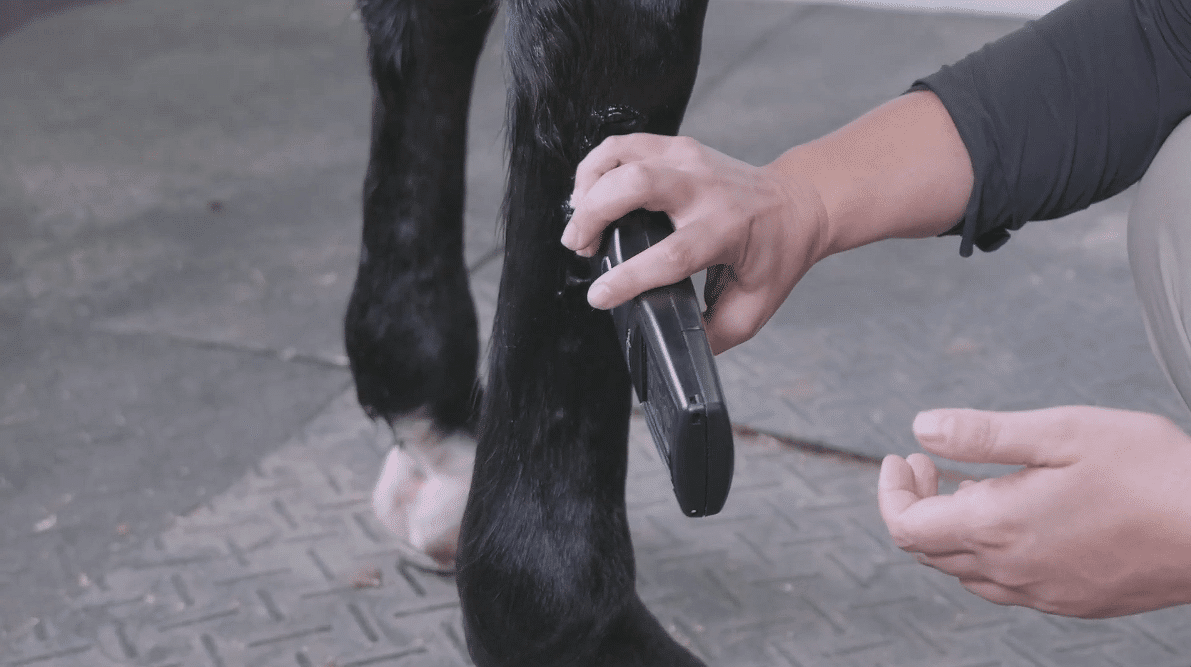
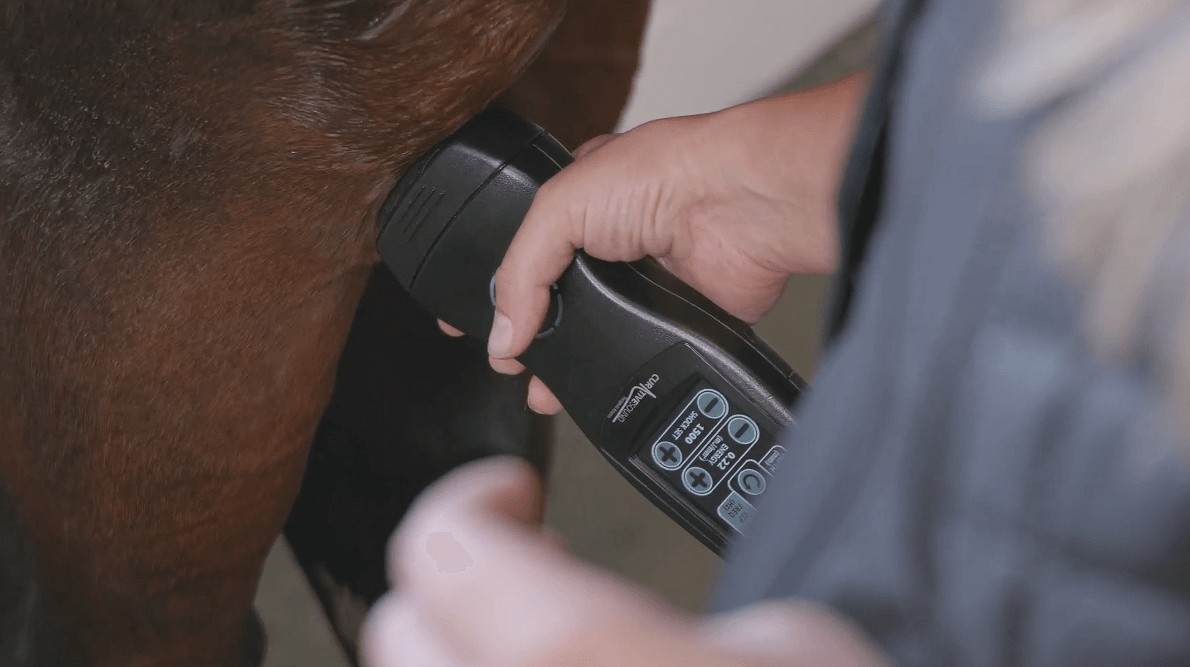
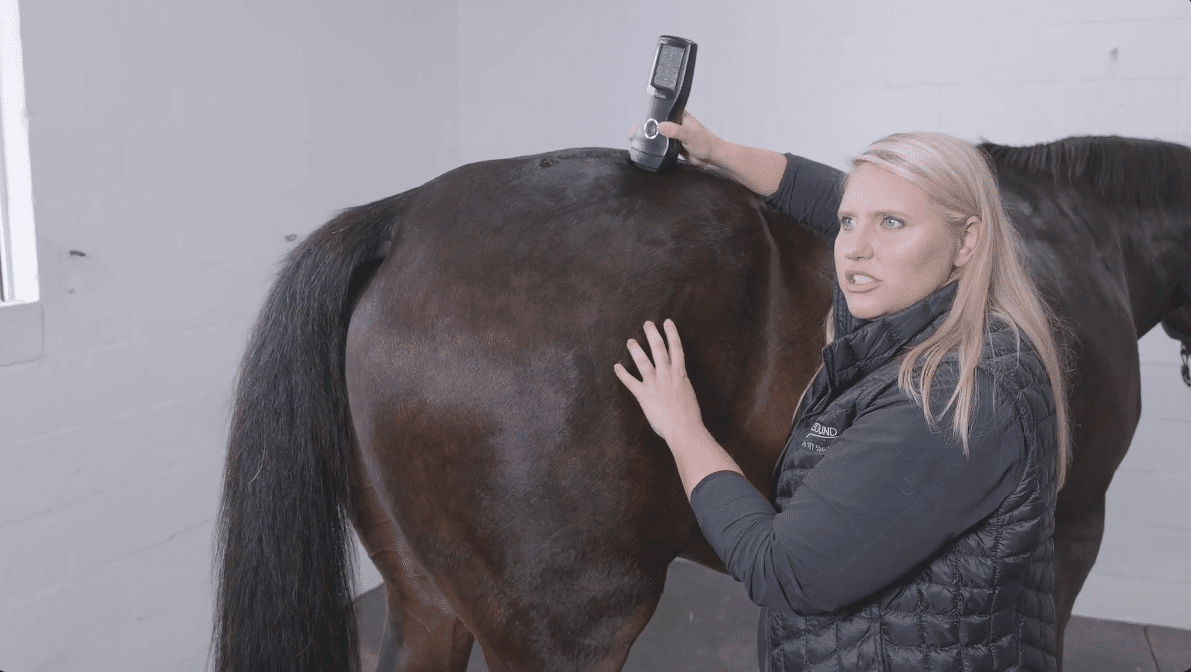
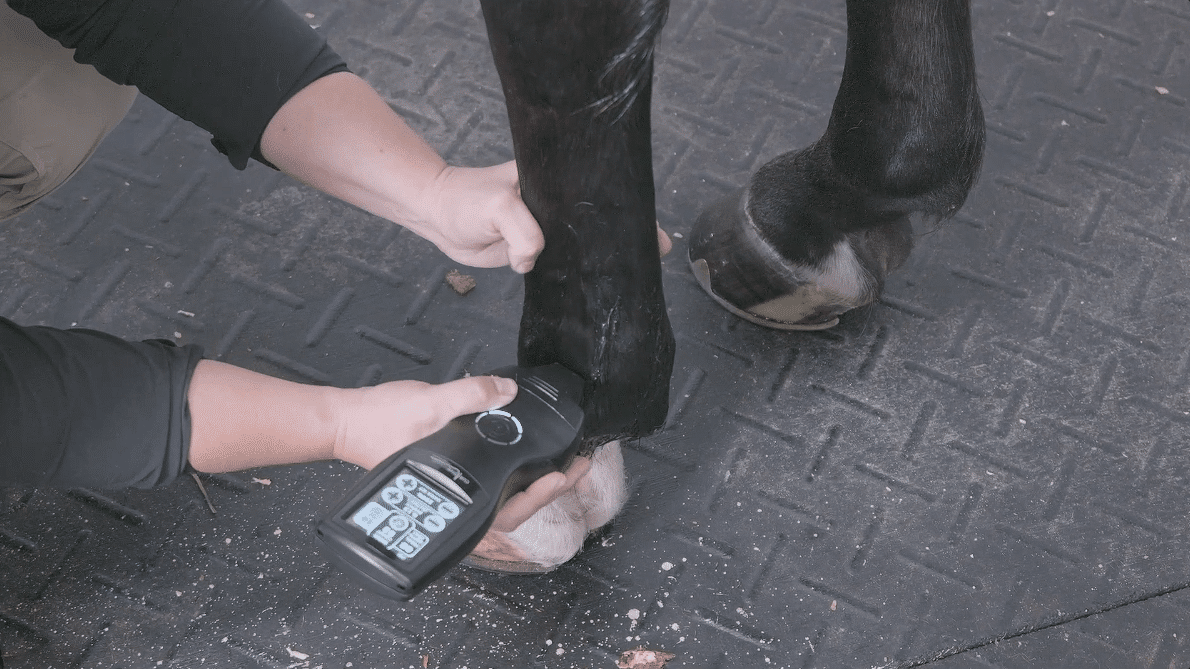
Extracorporeal shock wave therapy provided a non-invasive, effective mechanism to decrease the lameness associated with navicular syndrome. There were no complications associated with the procedure. Horses that responded to treatment did not regress in the year after treatment.
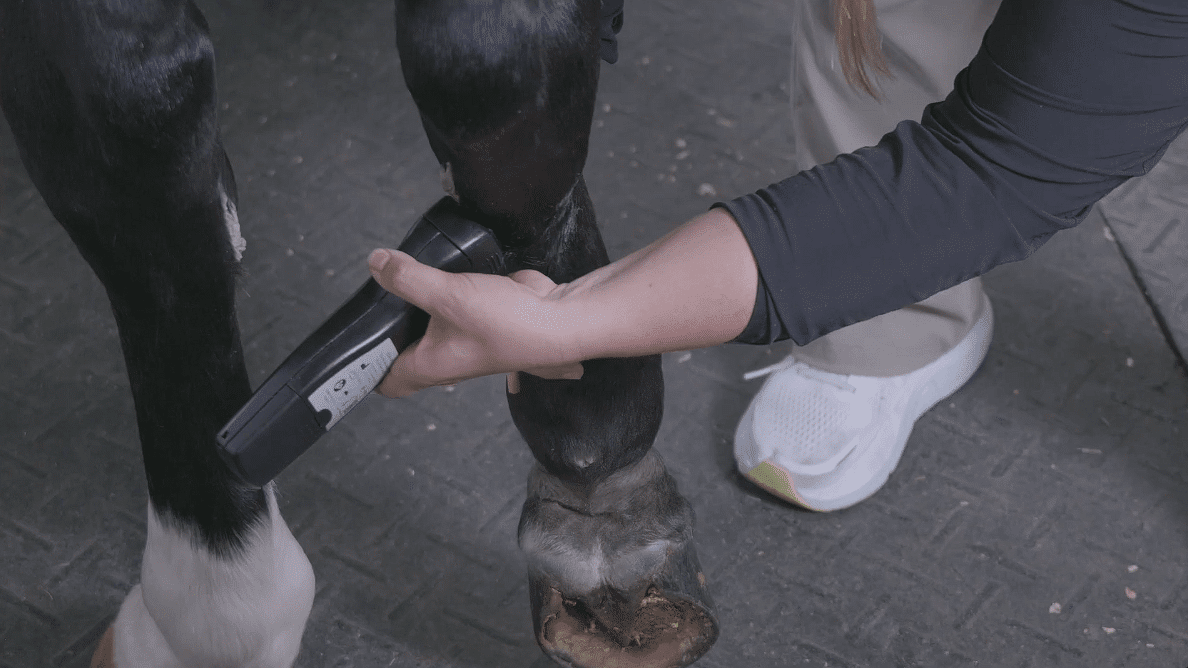
ESWT applied to in vitro PRP increases the expression of growth factors. The combination of local PRP injection with ESWT may stimulate release of platelet growth factors after they have been injected into the area of injury.
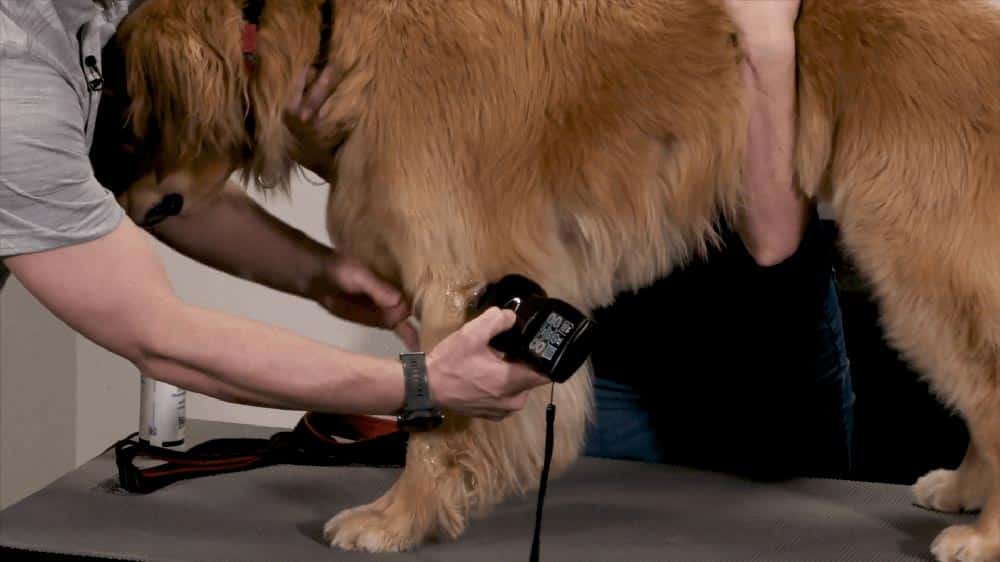
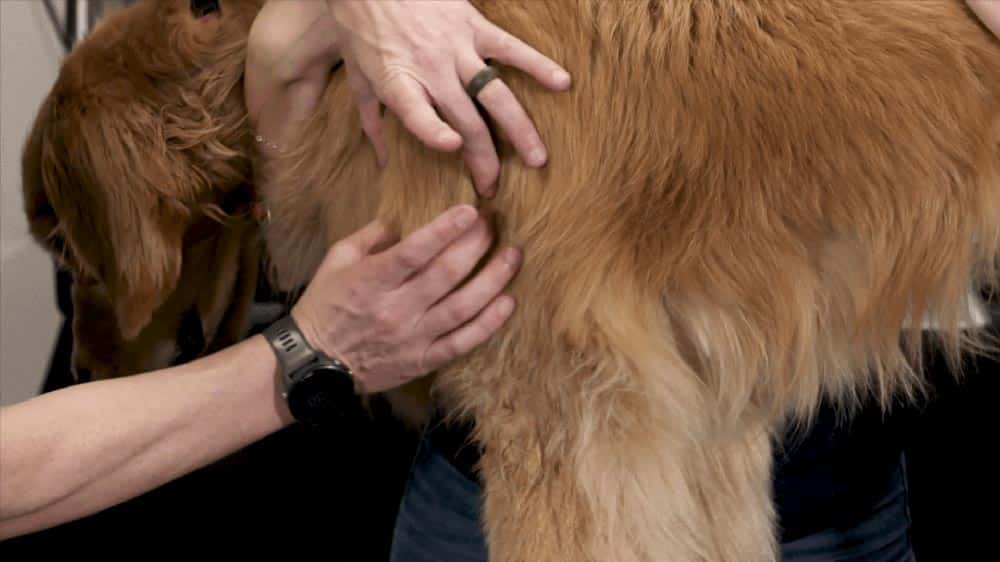
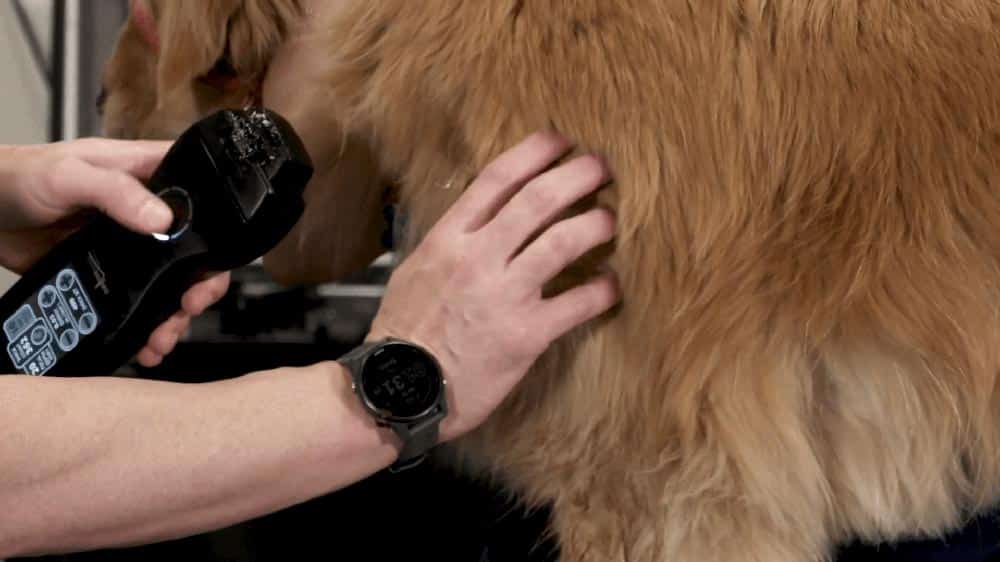
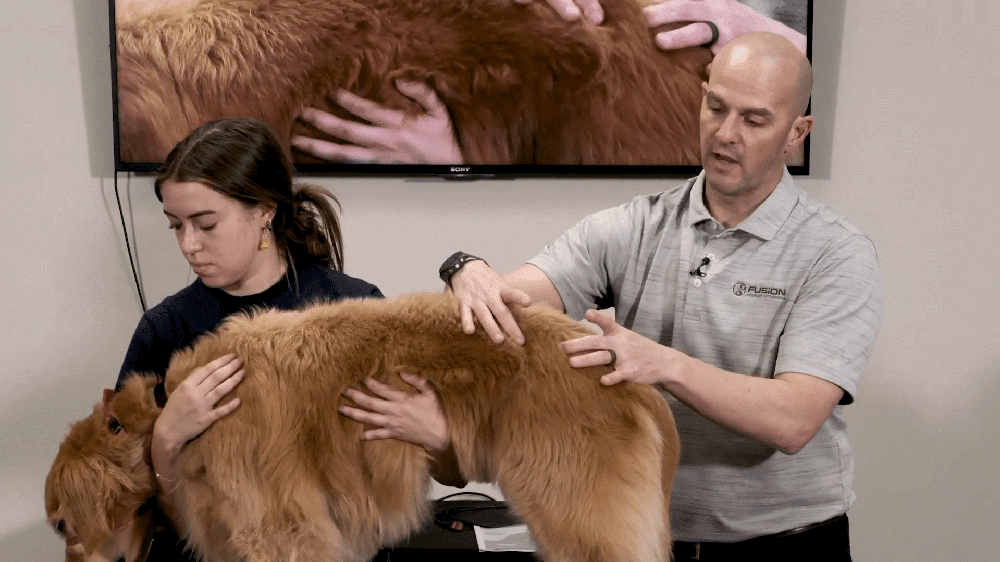
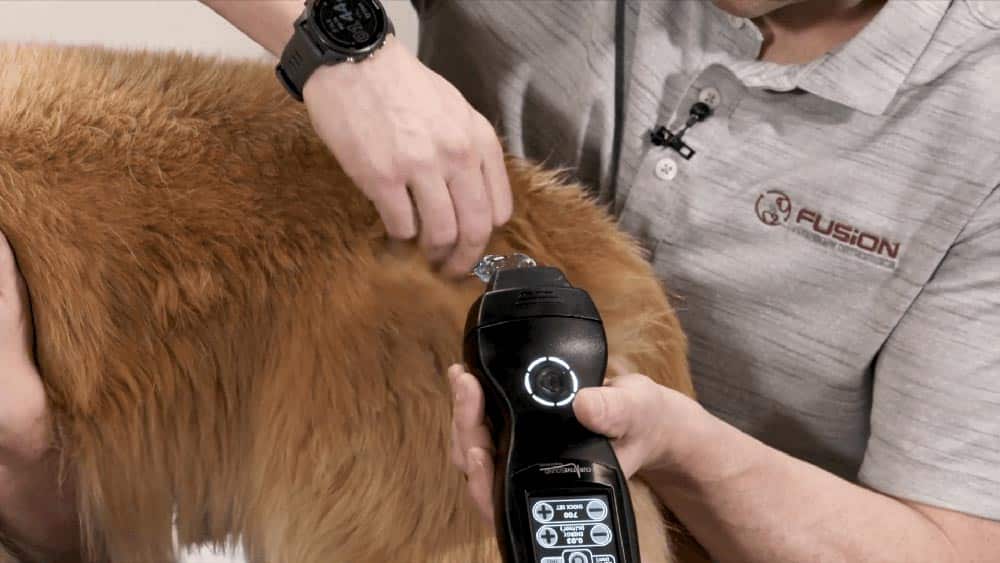
Veterinary Applications
Companion

Equine
PRP Activation
CS-Pro VET Studies
Featured Literature
Veterinary
Shock wave therapy led to more advanced bone healing. The results of this study support the use of ESWT as a means of accelerating acute bone healing of canine osteotomies.
Weight bearing increased faster after tibial plateau leveling osteotomy surgery in dogs treated with two sessions of postoperative ESWT.
Veterinary
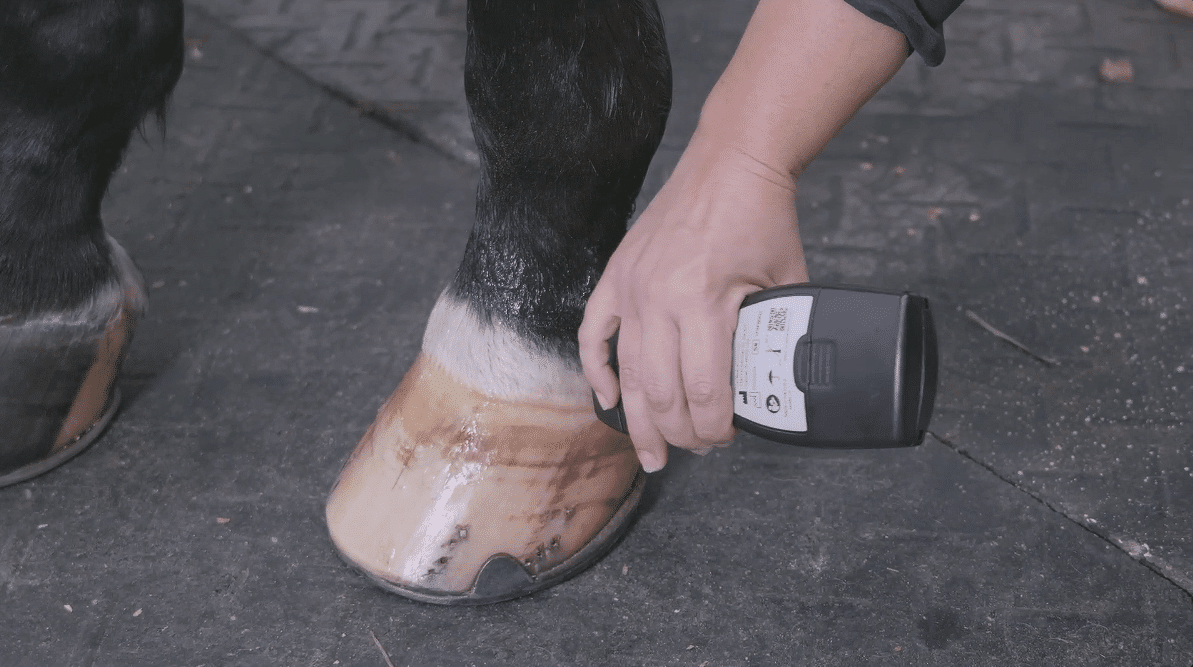
Extracorporeal shock wave therapy provided a non-invasive, effective mechanism to decrease the lameness associated with navicular syndrome. There were no complications associated with the procedure. Horses that responded to treatment did not regress in the year after treatment.
ESWT applied to in vitro PRP increases the expression of growth factors. The combination of local PRP injection with ESWT may stimulate release of platelet growth factors after they have been injected into the area of injury.
Veterinary Applications
Companion